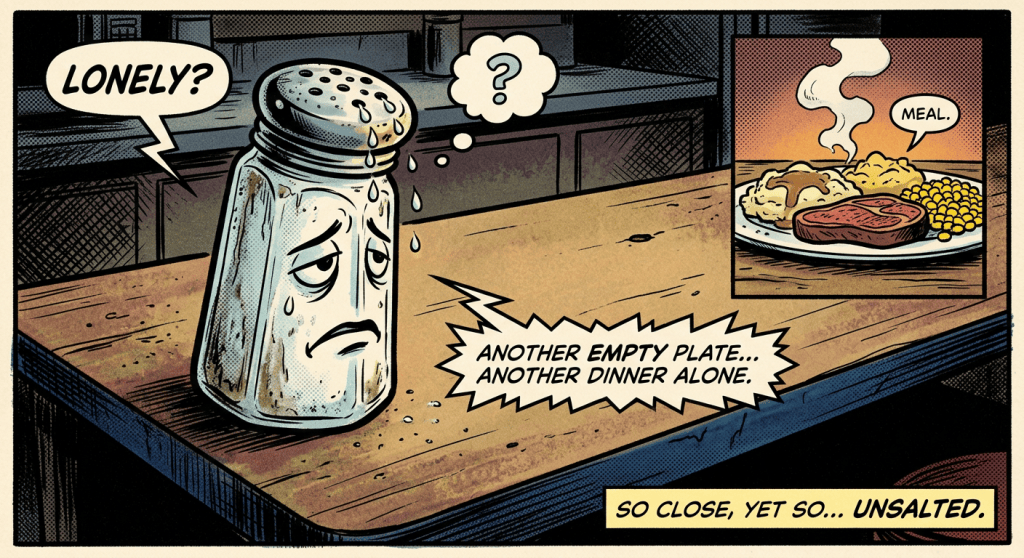
Let’s be honest—most nutrition advice sounds like it was written for a generic human who lives in a wellness brochure:
- Eat more vegetables
- Drink more water
- Reduce sugar
- Move your body
Solid advice? Sure. Sufficient for someone whose body has its own plot twist? Not even close.
Because when your biology decides to play jazz instead of following the sheet music, you don’t need cookie‑cutter tips—you need a strategy that actually understands your body’s rhythm.
First Things First: What Is Functional Nutrition?
Functional nutrition isn’t about detox teas, celery juice miracles, or pretending cauliflower is pizza (we’ve all been betrayed). It’s about asking: “What’s actually happening inside this specific body—and how can food support it?”
Instead of chasing symptoms, it digs into:
- Root causes
- Biochemical individuality
- How systems in the body connect
For someone with a rare condition, this matters—a lot. Because “normal” is a setting on a washing machine, not a health standard.
Why Generic Advice Fails Rare Bodies
Rare conditions—whether genetic, autoimmune, metabolic, or neurological—often come with:
- Unique nutrient deficiencies
- Impaired digestion or absorption
- Higher inflammation levels
- Sensitive metabolic pathways
Translation: your body may not process food like the average person. So following mainstream advice can feel like:
- Trying really hard
- Doing everything “right”
- Getting… absolutely nowhere
Or worse—feeling worse. Not because you’re doing it wrong, but because the plan wasn’t built for you.
Functional Nutrition Gets Personal
It doesn’t just say “eat healthy.” It asks:
- How’s your gut microbiome doing?
- Are you actually absorbing nutrients?
- Any metabolic blocks or enzyme issues?
- Which “healthy” foods make you feel awful?
Because for some people:
- Nuts = inflammation
- High‑fiber foods = digestive drama
- Certain proteins = fatigue instead of fuel
Suddenly, “clean eating” feels like a full‑time job with no benefits.
Reducing Inflammation (Without Declaring War on Your Plate)
Many rare conditions involve chronic inflammation. Functional nutrition focuses on:
- Identifying personal triggers
- Supporting anti‑inflammatory pathways
- Stabilizing blood sugar (the underrated hero)
It’s less about eliminating everything fun—and more about choosing what your body actually tolerates.
Supporting Gut Health (Because Everything Comes Back to the Gut)
If digestion is off, everything else struggles. Functional nutrition looks at:
- Gut lining integrity
- Microbiome balance
- Enzyme production
Because eating nutrient‑rich food and not absorbing it? That’s like paying for groceries and leaving them at the store.
Filling Nutritional Gaps
Many rare conditions increase the need for certain nutrients—or make it harder to absorb them. This might mean:
- Targeted supplementation (not random aisle‑grabbing)
- Strategic food choices
- Adjusting intake based on symptoms, not trends
Sometimes it’s not about eating more—it’s about absorbing better.
Managing Energy (Without Worshipping Caffeine)
Fatigue is the unofficial mascot of rare conditions. Functional nutrition helps by:
- Stabilizing blood sugar
- Supporting mitochondrial function (aka your energy factory)
- Reducing crashes from reactive eating
So instead of chasing energy, you’re building it—slowly, sustainably, and without needing a coffee IV.
The Emotional Side No One Talks About
Living with a rare condition often means:
- Frustration (“Why isn’t anything working?”)
- Isolation (“No one else gets this”)
- Confusion (conflicting advice, endless trial and error)
Functional nutrition shifts the story from “I’m failing” to “My body just needs a different playbook.” That shift alone? Game‑changing.
What Functional Nutrition Is Not
Let’s clear this up: It’s not:
- A miracle cure
- An instant fix
- A rigid, joy‑sucking plan
And it definitely isn’t: “Cut out everything fun and hope for the best.”
Instead, it’s a process:
- Observe
- Adjust
- Personalize
- Repeat
Progress may be slow—but it’s intentional, not random.
Final Thought: Your Body Isn’t Broken—It’s Specific
If you’ve been following mainstream advice and wondering why it’s not working… It’s not because you lack discipline. It’s not because you need to “try harder.”
It’s because your body has different needs—and deserves an approach that recognizes that.
Functional nutrition isn’t about being perfect. It’s about being specific.
And when you finally find what works for your body? That’s when things start to click—like a salt shaker finally found after a long night in Margaritaville. 🧂