You were productive this morning. You answered emails. Crossed things off your to-do list. Maybe you even felt like one of those people who voluntarily wakes up at 5 AM and enjoys kale.
Then it happens.
Your eyelids become weighted blankets.
You read the same sentence four times.
Your brain starts whispering, “What if we had a giant cookie?”
Welcome to the infamous afternoon slump.
While many people blame laziness, lack of willpower, or a mysterious curse affecting office workers everywhere, there is often a very real physiological explanation behind that afternoon energy crash: blood sugar fluctuations.
Let’s talk about what’s happening and, more importantly, what actually helps.
What Is a Blood Sugar Crash?
Blood sugar, also called blood glucose, is your body’s primary source of energy.
When you eat carbohydrates, your digestive system breaks them down into glucose, which enters your bloodstream. Your body releases insulin to help move that glucose into your cells where it’s used for energy.
The problem arises when blood sugar rises quickly and then falls rapidly.
This can leave you feeling:
- Tired
- Foggy-headed
- Irritable
- Hungry soon after eating
- Craving sugary foods
In other words, the same symptoms many people experience around mid-afternoon.
The Breakfast Mistake That Starts It All
Imagine breakfast consists of:
- A giant muffin
- Sweet coffee
- Orange juice
It tastes amazing.
For approximately 17 minutes.
Because foods high in refined carbohydrates and added sugars digest quickly, they can lead to a rapid rise in blood sugar followed by a noticeable drop.
The result?
By late morning, you’re already searching for snacks and wondering why your energy disappeared faster than a free doughnut in the break room.
Why Lunch Can Make It Worse
Many common lunches are built almost entirely around refined carbohydrates:
- White bread sandwiches
- Large bowls of pasta
- Fast-food meals
- Chips and soda
Again, there’s nothing wrong with enjoying these foods occasionally.
The issue is that meals lacking protein, fiber, and healthy fats may not keep you feeling satisfied for very long.
Your body burns through the fuel quickly, and the afternoon slump arrives right on schedule.
It’s basically the nutritional equivalent of putting kindling on a campfire and expecting it to last all night.
What Actually Helps?
Here’s the good news: preventing energy crashes doesn’t require giving up every food you love or replacing dessert with sadness.
1. Pair Carbohydrates with Protein
Protein helps slow digestion and can provide longer-lasting satiety.
Instead of:
- Crackers alone
Try:
- Crackers and cheese
- Apple and peanut butter
- Greek yogurt with fruit
The goal isn’t to eliminate carbohydrates.
The goal is to give them some responsible adult supervision.
2. Eat More Fiber
Fiber slows the absorption of sugar into the bloodstream and helps support steady energy.
Foods rich in fiber include:
- Vegetables
- Fruits
- Oats
- Beans
- Whole grains
- Nuts and seeds
Think of fiber as the speed limit for your digestive system.
Without it, blood sugar can feel like a sports car driven by a teenager in an action movie.
3. Don’t Skip Meals
Skipping breakfast or lunch can sometimes set the stage for overeating later and increase feelings of fatigue.
Many people try powering through the day on coffee alone.
Unfortunately, caffeine is not a food group.
Despite what your travel mug keeps telling you.
4. Stay Hydrated
Even mild dehydration can contribute to fatigue and difficulty concentrating.
Before assuming you need another coffee, try drinking water.
Your body is surprisingly dramatic about hydration.
5. Move Your Body
A short walk can improve circulation, increase alertness, and boost energy levels.
You don’t need a full workout.
Ten minutes of movement is often enough to wake up both your body and your brain.
Plus, walking around the office looks significantly more professional than face-planting into your keyboard.
6. Prioritize Sleep
Let’s be honest.
Sometimes the “blood sugar crash” is actually your body reminding you that four hours of sleep and pure determination are not a sustainable lifestyle.
No meal plan can completely outsmart chronic sleep deprivation.
What About Sugar?
Contrary to popular belief, sugar itself isn’t evil.
The issue is relying on sugary foods as your primary energy source throughout the day.
A candy bar may provide quick energy, but it usually doesn’t provide the combination of protein, fiber, and nutrients needed to keep that energy stable.
That’s why many people find themselves reaching for a second snack shortly afterward.
And then a third.
And suddenly the office candy bowl has become your personality.
Signs Your Meals Might Need More Balance
You may benefit from adjusting your meals if you frequently:
- Feel exhausted a few hours after eating
- Get shaky or extremely hungry between meals
- Experience strong afternoon cravings
- Struggle with brain fog after lunch
- Feel energized briefly, then crash hard
These aren’t moral failures.
They’re often signals that your body may need a steadier source of fuel.
A Quick Note About Medical Conditions
Occasional energy dips are common.
However, frequent symptoms such as severe fatigue, dizziness, shakiness, excessive thirst, or repeated blood sugar concerns should be discussed with a healthcare professional.
Conditions such as diabetes, prediabetes, and other medical issues can affect blood glucose regulation and require individualized guidance.
Final Thoughts
The 3 PM slump isn’t usually a sign that you’re lazy, unmotivated, or secretly turning into a sloth.
More often, it’s your body responding to how it has been fueled throughout the day.
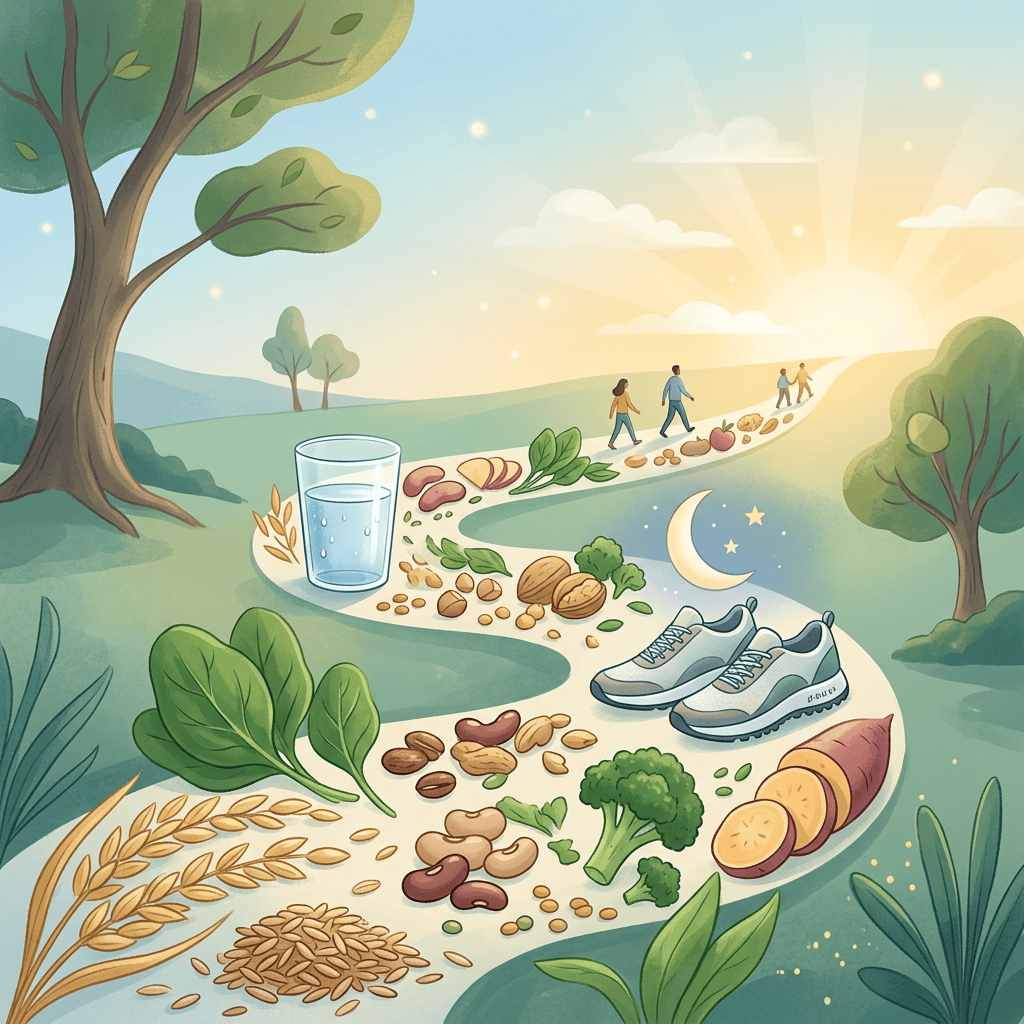
Small changes such as adding protein to meals, increasing fiber, staying hydrated, moving more, and getting enough sleep can help support more consistent energy levels.
So the next time you’re staring blankly at your computer at 3 PM while contemplating a nap under your desk, remember:
Your body may not be asking for more willpower.
It may just be asking for a more balanced lunch.
And possibly less of the giant muffin.
It’s 3:07 PM.
You were productive this morning. You answered emails. Crossed things off your to-do list. Maybe you even felt like one of those people who voluntarily wakes up at 5 AM and enjoys kale.
Then it happens.
Your eyelids become weighted blankets.
You read the same sentence four times.
Your brain starts whispering, “What if we had a giant cookie?”
Welcome to the infamous afternoon slump.
While many people blame laziness, lack of willpower, or a mysterious curse affecting office workers everywhere, there is often a very real physiological explanation behind that afternoon energy crash: blood sugar fluctuations.
Let’s talk about what’s happening and, more importantly, what actually helps.
What Is a Blood Sugar Crash?
Blood sugar, also called blood glucose, is your body’s primary source of energy.
When you eat carbohydrates, your digestive system breaks them down into glucose, which enters your bloodstream. Your body releases insulin to help move that glucose into your cells where it’s used for energy.
The problem arises when blood sugar rises quickly and then falls rapidly.
This can leave you feeling:
- Tired
- Foggy-headed
- Irritable
- Hungry soon after eating
- Craving sugary foods
In other words, the same symptoms many people experience around mid-afternoon.
The Breakfast Mistake That Starts It All
Imagine breakfast consists of:
- A giant muffin
- Sweet coffee
- Orange juice
It tastes amazing.
For approximately 17 minutes.
Because foods high in refined carbohydrates and added sugars digest quickly, they can lead to a rapid rise in blood sugar followed by a noticeable drop.
The result?
By late morning, you’re already searching for snacks and wondering why your energy disappeared faster than a free doughnut in the break room.
Why Lunch Can Make It Worse
Many common lunches are built almost entirely around refined carbohydrates:
- White bread sandwiches
- Large bowls of pasta
- Fast-food meals
- Chips and soda
Again, there’s nothing wrong with enjoying these foods occasionally.
The issue is that meals lacking protein, fiber, and healthy fats may not keep you feeling satisfied for very long.
Your body burns through the fuel quickly, and the afternoon slump arrives right on schedule.
It’s basically the nutritional equivalent of putting kindling on a campfire and expecting it to last all night.
What Actually Helps?
Here’s the good news: preventing energy crashes doesn’t require giving up every food you love or replacing dessert with sadness.
1. Pair Carbohydrates with Protein
Protein helps slow digestion and can provide longer-lasting satiety.
Instead of:
- Crackers alone
Try:
- Crackers and cheese
- Apple and peanut butter
- Greek yogurt with fruit
The goal isn’t to eliminate carbohydrates.
The goal is to give them some responsible adult supervision.
2. Eat More Fiber
Fiber slows the absorption of sugar into the bloodstream and helps support steady energy.
Foods rich in fiber include:
- Vegetables
- Fruits
- Oats
- Beans
- Whole grains
- Nuts and seeds
Think of fiber as the speed limit for your digestive system.
Without it, blood sugar can feel like a sports car driven by a teenager in an action movie.
3. Don’t Skip Meals
Skipping breakfast or lunch can sometimes set the stage for overeating later and increase feelings of fatigue.
Many people try powering through the day on coffee alone.
Unfortunately, caffeine is not a food group.
Despite what your travel mug keeps telling you.
4. Stay Hydrated
Even mild dehydration can contribute to fatigue and difficulty concentrating.
Before assuming you need another coffee, try drinking water.
Your body is surprisingly dramatic about hydration.
5. Move Your Body
A short walk can improve circulation, increase alertness, and boost energy levels.
You don’t need a full workout.
Ten minutes of movement is often enough to wake up both your body and your brain.
Plus, walking around the office looks significantly more professional than face-planting into your keyboard.
6. Prioritize Sleep
Let’s be honest.
Sometimes the “blood sugar crash” is actually your body reminding you that four hours of sleep and pure determination are not a sustainable lifestyle.
No meal plan can completely outsmart chronic sleep deprivation.
What About Sugar?
Contrary to popular belief, sugar itself isn’t evil.
The issue is relying on sugary foods as your primary energy source throughout the day.
A candy bar may provide quick energy, but it usually doesn’t provide the combination of protein, fiber, and nutrients needed to keep that energy stable.
That’s why many people find themselves reaching for a second snack shortly afterward.
And then a third.
And suddenly the office candy bowl has become your personality.
Signs Your Meals Might Need More Balance
You may benefit from adjusting your meals if you frequently:
- Feel exhausted a few hours after eating
- Get shaky or extremely hungry between meals
- Experience strong afternoon cravings
- Struggle with brain fog after lunch
- Feel energized briefly, then crash hard
These aren’t moral failures.
They’re often signals that your body may need a steadier source of fuel.
A Quick Note About Medical Conditions
Occasional energy dips are common.
However, frequent symptoms such as severe fatigue, dizziness, shakiness, excessive thirst, or repeated blood sugar concerns should be discussed with a healthcare professional.
Conditions such as diabetes, prediabetes, and other medical issues can affect blood glucose regulation and require individualized guidance.
Final Thoughts
The 3 PM slump isn’t usually a sign that you’re lazy, unmotivated, or secretly turning into a sloth.
More often, it’s your body responding to how it has been fueled throughout the day.
Small changes such as adding protein to meals, increasing fiber, staying hydrated, moving more, and getting enough sleep can help support more consistent energy levels.
So the next time you’re staring blankly at your computer at 3 PM while contemplating a nap under your desk, remember:
Your body may not be asking for more willpower.
It may just be asking for a more balanced lunch.
And possibly less of the giant muffin.