In the world of wellness, few natural compounds spark as much interest—literally and
figuratively—as capsicum. Known for delivering the fiery kick in chili peppers, this spicy
substance is more than just a culinary thrill. Capsicum is gaining recognition for its
potential to boost metabolism, aid in weight management, and even relieve pain.
Whether you’re a fan of heat in your meals or curious about its therapeutic applications,
understanding what capsicum is and how it works is the first step in unlocking its health
benefits.
What Is Capsicum?
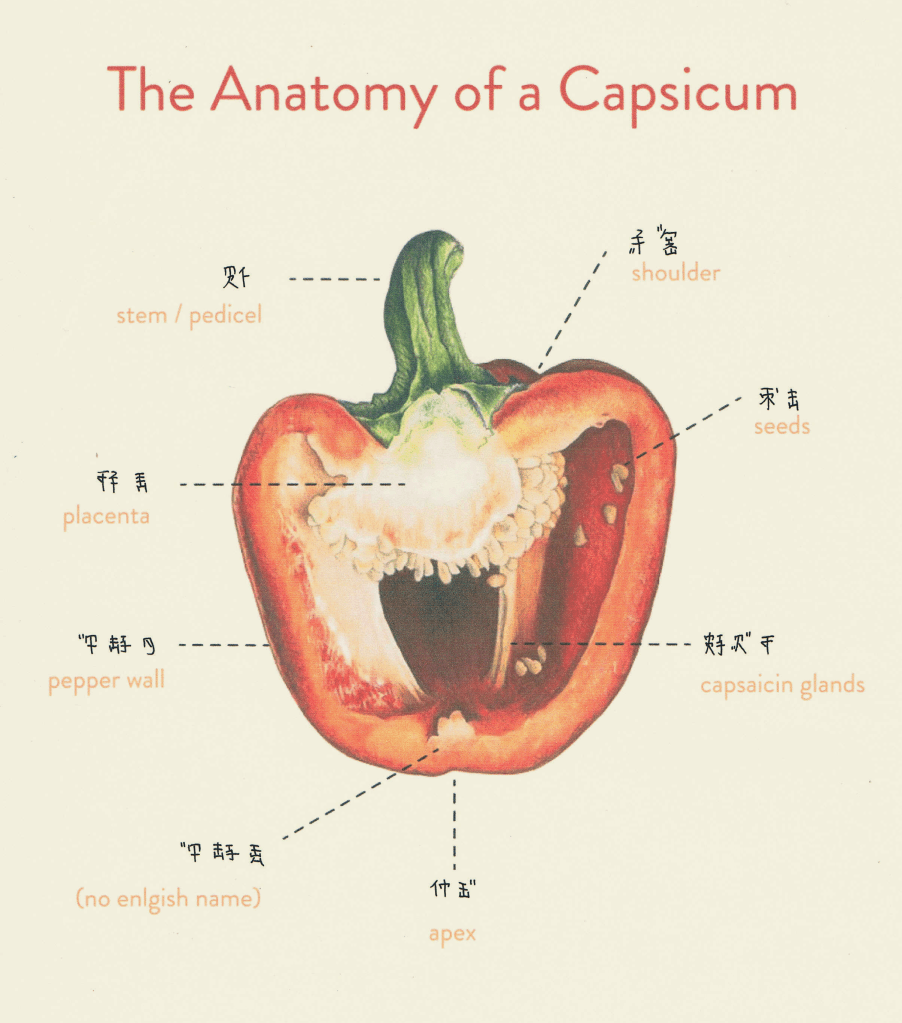
Capsicum is the compound responsible for the heat in chili peppers. Found where the
pod meets the placenta (not in the seeds!), it’s measured using the Scoville Heat
Scale. While this traditional method relies on taste testing, modern science uses high-
performance liquid chromatography (HPLC) for more accurate results.
Capsicum is widely used in global cuisines and is now gaining traction in the health and
fitness world for its metabolic and therapeutic properties.
Capsicum and Metabolic Health
Capsicum may help regulate metabolism and support weight management. Here’s how:
Appetite Control: Capsicum can reduce hunger and increase satiety.
Fat Reduction: Studies show daily intake may lower body fat and fat mass.
Glucose Regulation: Capsicum enhances glucose absorption and glucagon
release.
Cholesterol Balance: Moderate intake improves LDL and HDL levels.
Energy Boost: Supplements like CAPS increase energy expenditure.
⚠️ Note: Excessive intake may cancel out benefits. Obese individuals may respond
differently to supplementation.
Capsicum in Global Diets
Capsicum-rich cuisines like Sichuan (China) and Thai food have been studied for their
metabolic effects:
China: Spicy food consumption correlated with general obesity in rural
populations.
Thailand: Increased autonomic nervous system activity and reduced body
temperature in healthy subjects.
Capsicum for Pain Management
Capsicum has been used for pain relief since the 1850s. Today, topical capsaicin is
used to treat:
Migraines
Shingles
Rheumatoid arthritis
Muscle sprains
Chronic pain
A newer 8% capsaicin patch delivers fast relief and may reduce pain for up to 12
weeks. It works by depleting Substance P, a neuropeptide that transmits pain signals,
effectively desensitizing nerve receptors.
Risks and Side Effects
While generally safe in moderate amounts, capsicum may cause:
Acid reflux
Asthma
Blurred vision
Heartburn
Skin irritation (topical use)
As always, consult a healthcare provider before starting any capsicum-based
supplement or treatment, especially if you have underlying health conditions.
Capsicum is more than just a spicy ingredient—it’s a powerful compound with potential
benefits for metabolic health, weight management, and pain relief. Whether
consumed in food, taken as a supplement, or applied topically, capsicum offers exciting
possibilities for those pursuing a healthier lifestyle

