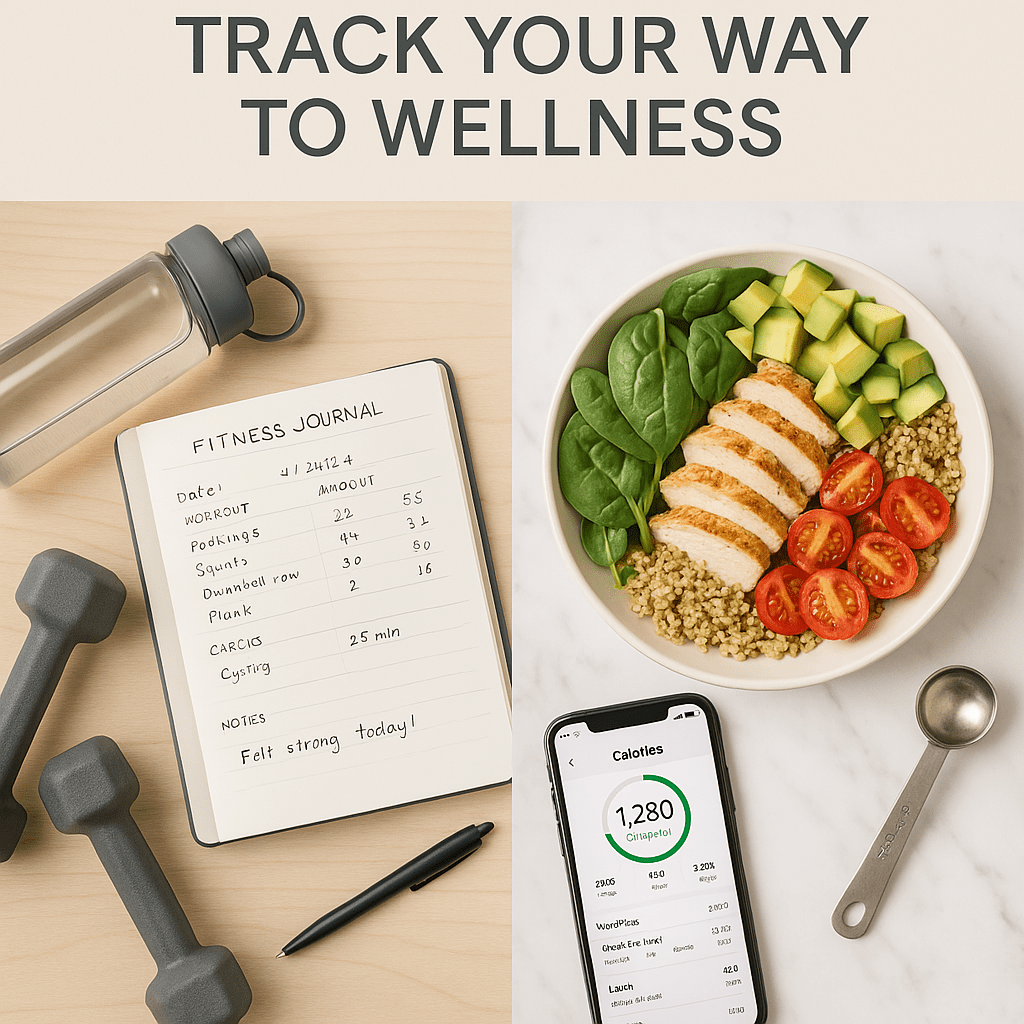
With it being a new year and I am done dreaming of Disney, let’s look at some habits we can consider making us healthier. I have done this both for fitness and eating…. JOURNALING. Fitness and food journaling can be powerful tools for anyone looking to improve their health and well-being. By tracking meals and workouts, individuals gain increased awareness of their habits, which can reveal patterns and areas for improvement. Journaling also fosters accountability and motivation, making it easier to stay committed to fitness and nutrition goals.
It supports progress tracking, encourages better food choices, and even offers mental health benefits through reflection. However, it’s not without drawbacks—journaling can be time-consuming, potentially lead to obsessive behaviors, and may feel restrictive or inaccurate at times. Understanding both the pros and cons can help you decide if this practice aligns with your lifestyle and goals.
Pros
- Increased Awareness: Helps you understand what you’re eating and how much you’re moving. Reveals patterns in your habits—both good and bad.
- Accountability: Writing things down can keep you honest and motivated. You’re more likely to stick to your goals when you track them.
- Goal Tracking: Makes it easier to measure progress toward weight loss, strength gains, or endurance improvements. Helps you adjust your plan based on what’s working.
- Improved Nutrition: Encourages more mindful eating and better food choices. Can highlight nutrient gaps or overconsumption.
- Mental Health Benefits: Reflecting on your workouts and meals can reduce stress and promote a sense of control.
Cons
- Can Lead to Obsession: Some people may become overly fixated on numbers, calories, or perfection.
- Not Always Accurate: Estimating portion sizes or forgetting to log can lead to misleading data.
- May Feel Restrictive: Constant tracking might make eating feel less enjoyable or spontaneous.
- Privacy Concerns: If shared or left open, journals can expose personal health information.
Fitness and food journaling can be a highly effective strategy for those aiming to take control of their health. The benefits—ranging from increased self-awareness and accountability to improved nutrition and mental clarity—make it a valuable habit for many. However, it’s important to approach journaling with balance and mindfulness. Being aware of potential downsides, such as the risk of obsession or the time commitment involved, can help you use this tool in a way that supports rather than hinders your well-being. Ultimately, the key is to tailor the practice to your personal goals and lifestyle, making it a sustainable and empowering part of your health journey.
 Whatnot Healthy Lifestyle & Coaching