Sorry for the delay everyone, it’s been pretty hectic lately (as it always is for me this time of the year); I am here to stay, and I have tons of great content lined up for you.
This week’s topic is like most, something you don’t think too much about and it’s a natural sugar (and a good replacement to sugar), that a certain loveable bear likes to eat constantly… HONEY. There are tons of benefits to including honey in your diet, but there are some negatives as always, so we will explore them all. So, let’s begin.
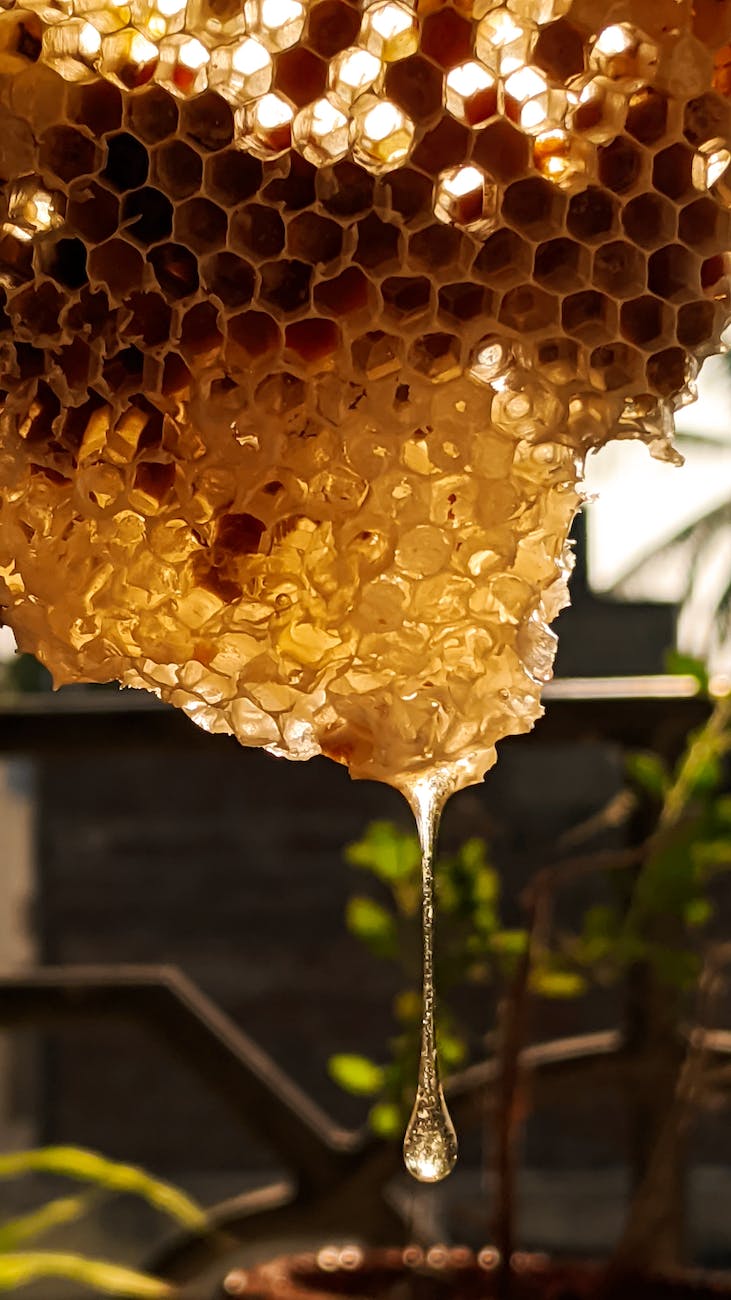
The Vikings may have been on to something using honey instead of sugar to make mead (sugar makes it wine, usage of honey makes it mead), honey is an all-natural pure sugar that contains no fats and trace amounts of protein and sugar, along with some additional nutrients.
One tablespoon, or 20 grams (g) of honey contains.
- Calories: 61
- Fat: 0 g
- Protein: 0 g
- Carbs: 17 g
- Fiber: 0 g
- Riboflavin: 1% of the Daily Value (DV)
- Copper: 1% DV
It is also high in antioxidants, however the darker the honey the better the chance of higher antioxidants. And the antioxidants, it has can help protect against metabolic syndrome and type 2 diabetes, which is something everyday sugars cannot do. Also, there is some evidence that, daily honey intake may improve fasting blood sugar levels. However, the downside, it is still a sugar ☹ and consume in moderation if you have type 2 diabetes.

Some additional benefits to honey are:
- Heart disease prevention
- Lower blood pressure
- Improve fat levels.
- Regulate heartbeat.
- Prevent death of healthy cells
- There is also topical usage for wound and burn healing.
- Specifically, Manuka honey
- Coughs
However, as usual more needs to be learned so more long-term studies need to happen to understand the true effects on heart health. As for treatment of coughs, NEVER give honey to children under 1 years old as they are at risk to get botulism from it.
Overall, that lovable children’s bear was onto something wanting so much honey.

 Whatnot Healthy Lifestyle & Coaching