This week, per a request I received from Coach Thor, I am going to explore the differences between Matcha Tea and Coffee, just a warning, I do not drink coffee, I cannot take the taste of coffee, it isn’t for everyone; however since the request came in, I have been experimenting with various matcha tea’s.
To begin, let’s take a look at the facts of matcha vs. coffee,
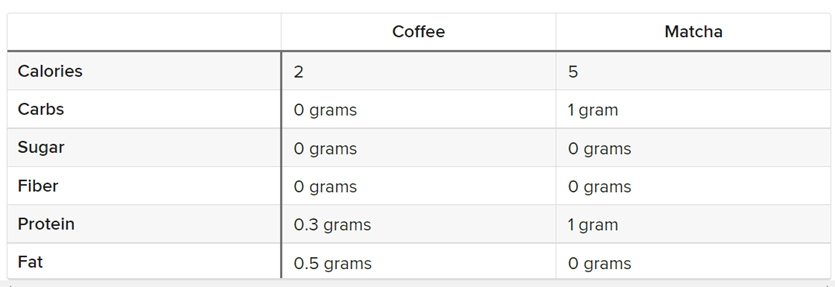
As for the caffeine content, coffee contains around 96 mg of caffeine in an 8 oz cup, whereas matcha contains about, 38–88 mg per 2-oz.
But, before you make a judgement on one over the other, lets explore each factually (and non-biased). To start with coffee, it is known for giving a person an instant kick of energy, The caffeine in coffee can reach peak levels as soon as 15 minutes after intake. Coffee may cause-
- Restlessness and shakiness.
- Insomnia.
- Headaches.
- Dizziness.
- Fast heart rate.
- Dehydration.
- Anxiety.
- Dependency, so you need to take more of it to get the same results.
Which is basically, high caffeine intake symptoms. Finally, coffee is also less expensive and more readily available.
Now let us explore the powdered green tea– matcha, first the effects of the caffeine in matcha are slower, it may take a while for you to feel more awake. This particular green tea contains high amounts of ingredients that are full of natural antioxidants and anti-inflammatories. Currently, the promoted health benefits, due to the high catechin in it-
- Aid in preventing heart disease
- Aid in preventing/helping type 2 diabetes and cancer
- Encouraging weight loss
However, there are risks with drinking matcha tea-
- its caffeine content
- the presence of aluminum
- the effects of tea polyphenols on iron bioavailability (stops iron production, which can cause iron deficient anemia)
Now since the request for this article came, I have tried at least two different kinds of matcha- one a cold brew, this is easy for me to keep at the office and I always have something with caffeine to drink. The next is a Keurig Matcha Latte, I honestly prefer this one to the other, and however I do not care for the extra calories, so I will drink the cold brew more often than not.
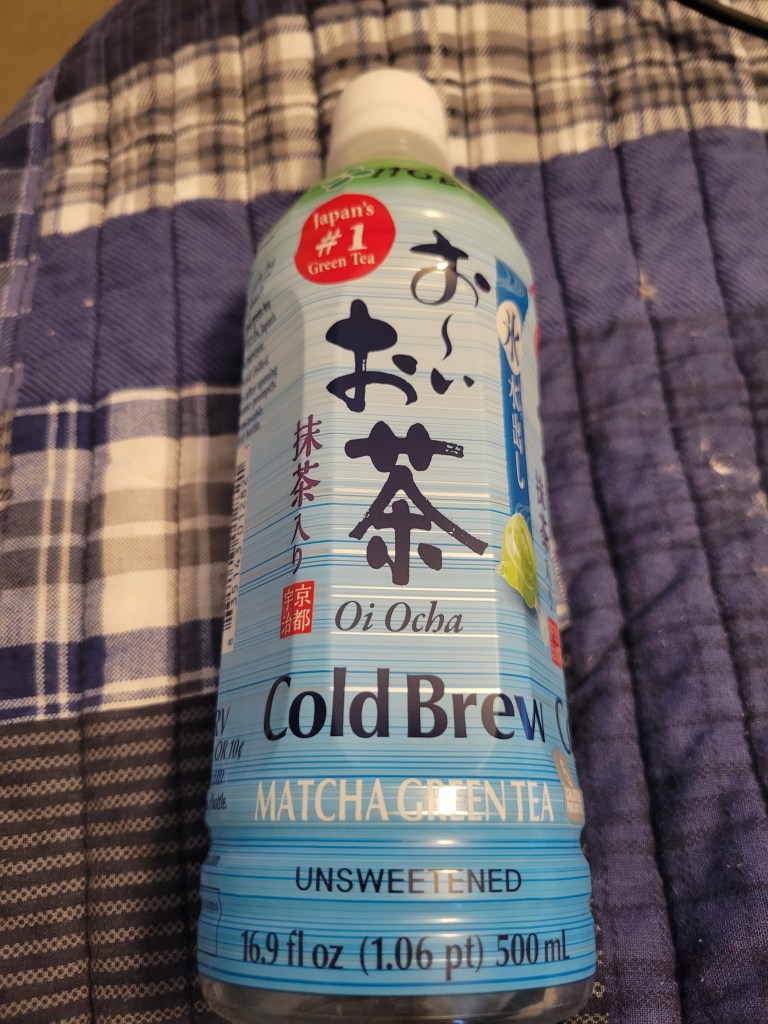
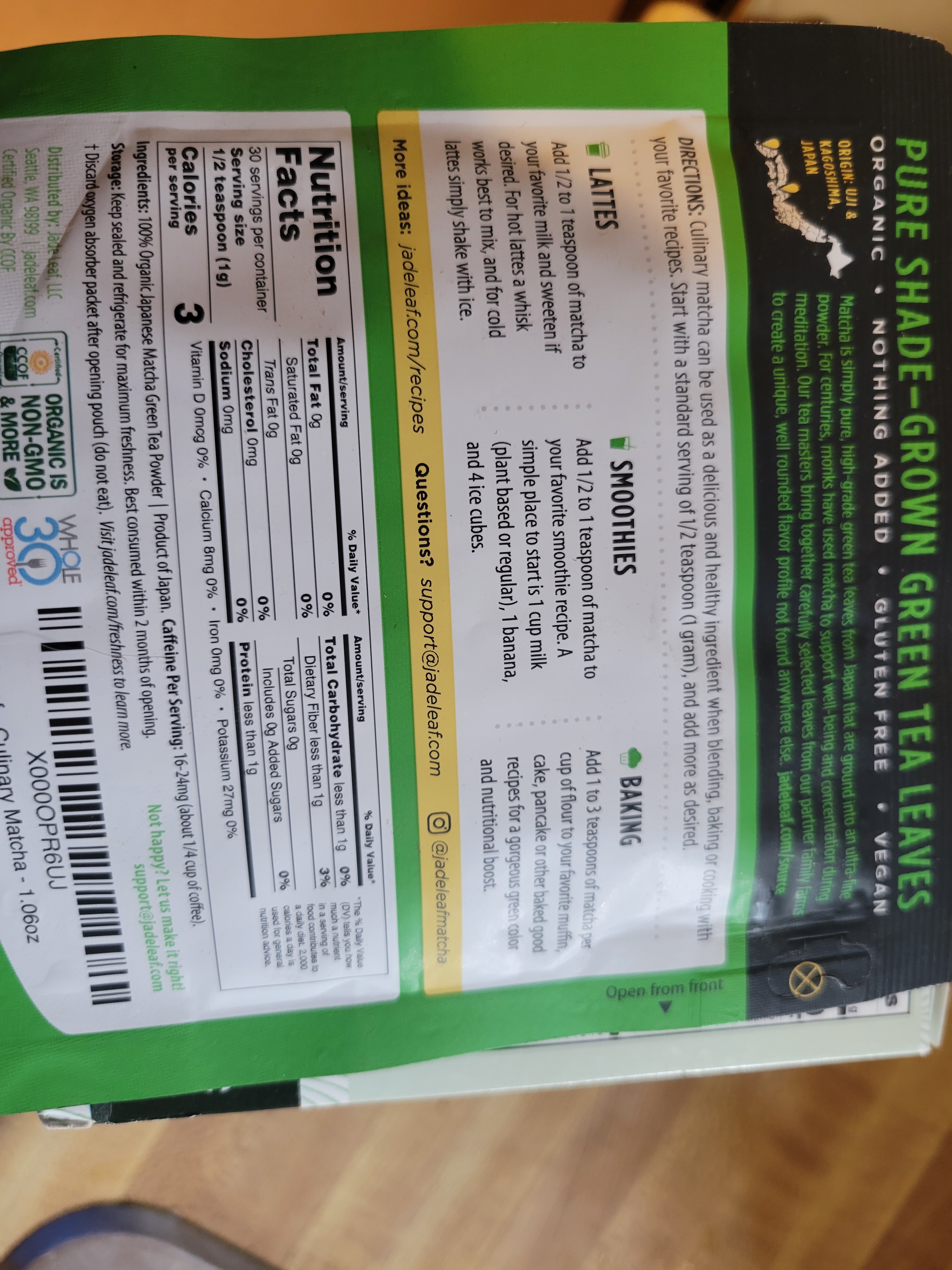
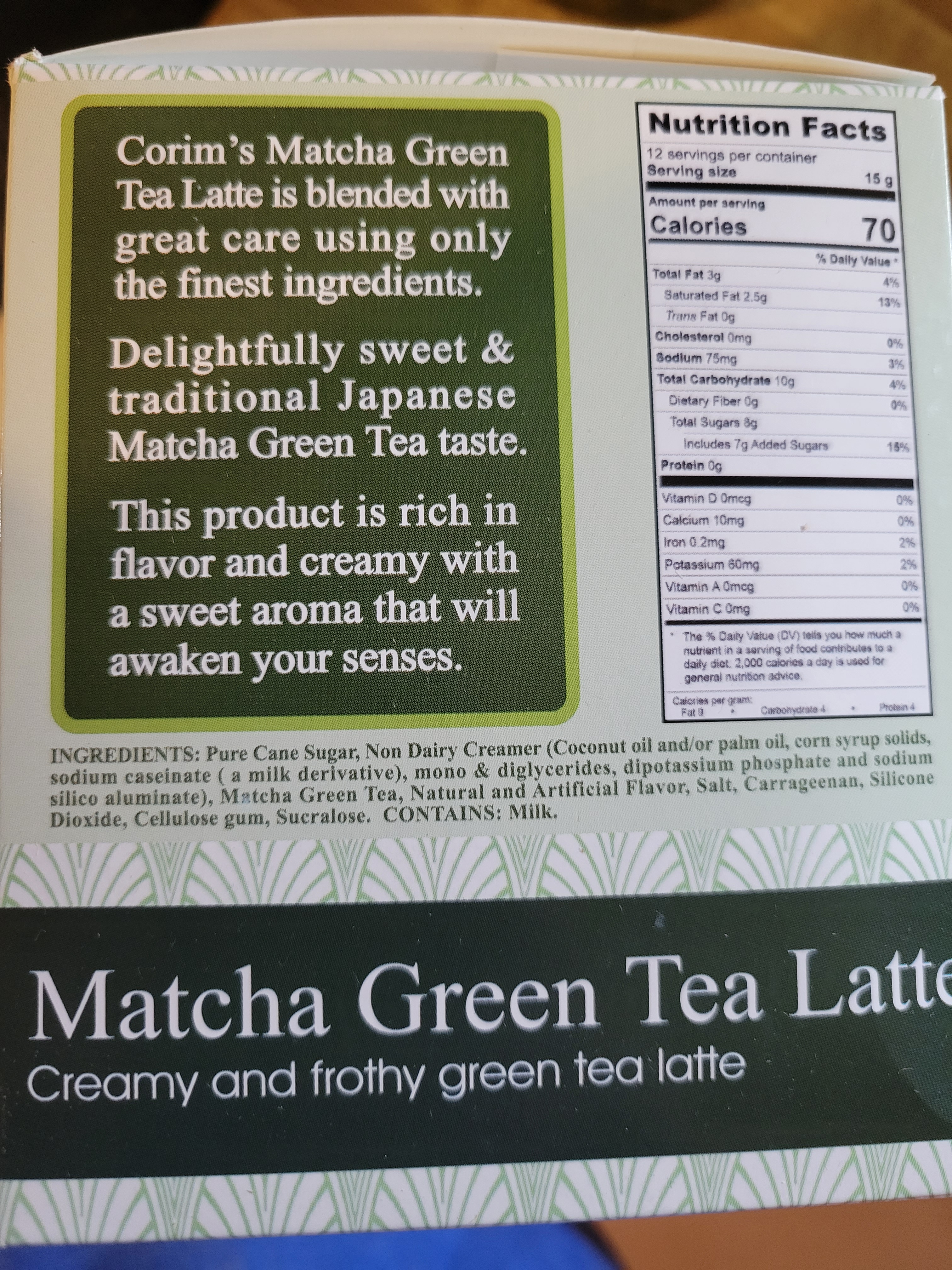
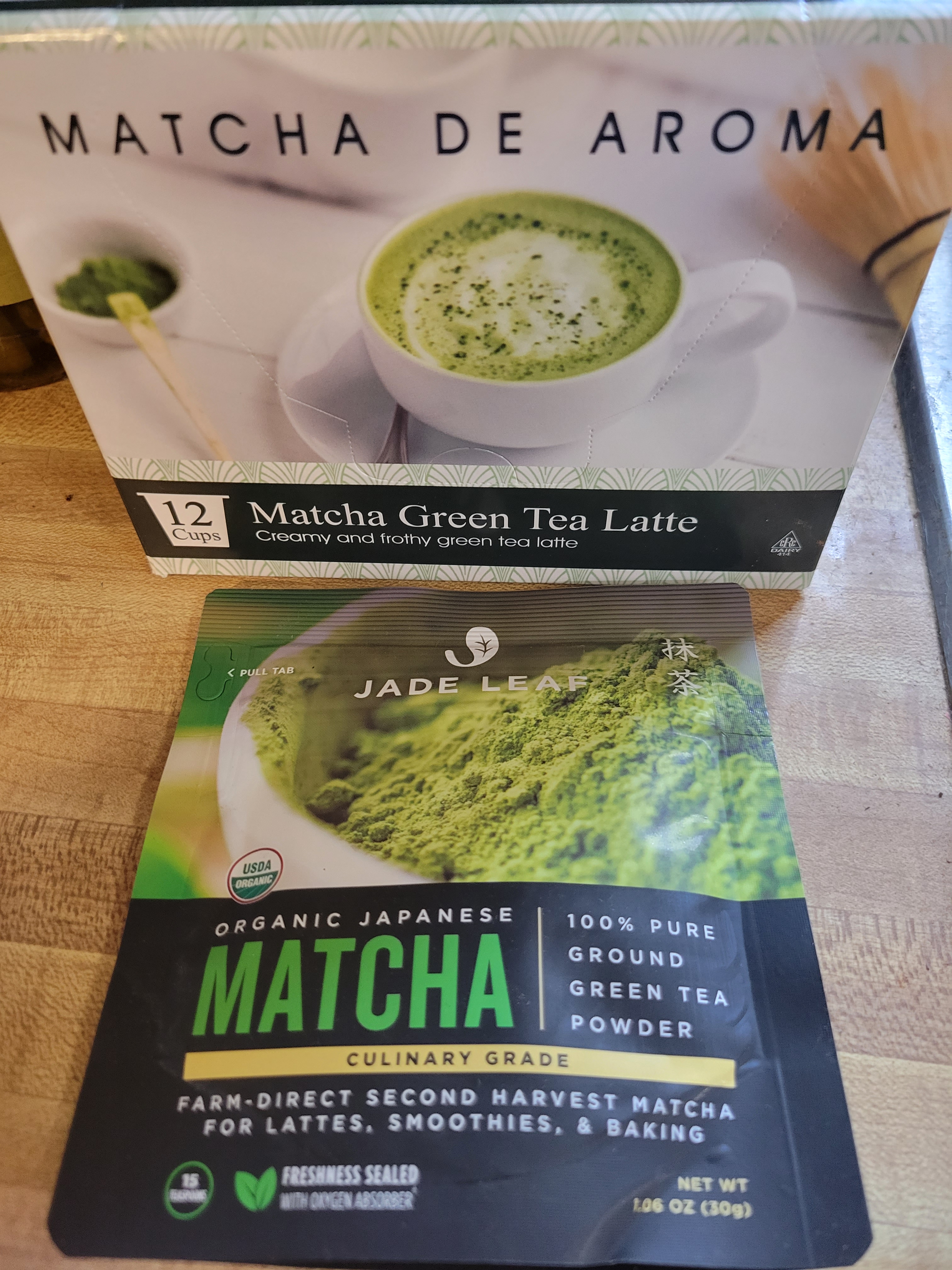
And I am someone who does need caffeine, and I have very particular taste in what caffeinated beverages I drink, this one seems to work for me for the time being. However due to the risks, I think it is something to take in moderation, as too much caffeine can cause
- Restlessness and shakiness.
- Insomnia.
- Headaches.
- Dizziness.
- Fast heart rate.
- Dehydration.
- Anxiety.
- Dependency, so you need to take more of it to get the same results.
To summarize, coffee is more readily available, cheaper, and the caffeine hits you quicker; whereas matcha is becoming easier to find (still hard), more expensive, caffeine hits you slower. Both aid in preventing heart disease, preventing/helping type 2 diabetes and cancer, encourage weight loss. Either way, whatever you choose to drink, chose with care, and drink in moderation to prevent any medical issues.
Sources:
Beneficial effects of green tea: A literature review. (2010). Beneficial Effects of Green Tea: A Literature Review. https://www.ncbi.nlm.nih.gov/pmc/articles/PMC2855614/
Health Benefits and Chemical Composition of Matcha Green Tea: A Review. (2020). Health Benefits and Chemical Composition of Matcha Green Tea: A Review. https://www.ncbi.nlm.nih.gov/pmc/articles/PMC7796401/#:%7E:text=The%20Japanese%20powdered%20green%20tea,maintain%20health%20and%20prevent%20disease
Lang, A. B. (2020, December 15). How Do Matcha and Coffee Compare? Healthline. https://www.healthline.com/nutrition/matcha-vs-coffee#nutrients
Sifferlin, A. (2018, March 8). Should You Drink Matcha Tea? Time. https://time.com/5188377/matcha-tea-benefits/
 Whatnot Healthy Lifestyle & Coaching